So, you’re curious about what Korea dorm life international student really looks like? Let me tell you, it’s a whole adventure, and I’m here to share the unvarnished truth, just like a senior student would to a junior.
An Honest Look at What Studying Here is Really Like
When I first landed in Korea, the idea of living in a dormitory felt both exciting and a little daunting. It’s a far cry from the cozy, private rooms many of us are used to back home. But trust me, the experience of navigating Korea dorm life international student is one that shapes you in ways you won’t expect.
The reality of Korea dorm life international student is a blend of shared experiences, new friendships, and a constant, gentle push outside your comfort zone. It’s where you’ll learn to compromise, share, and truly appreciate the little things.
Reality vs. Expectation
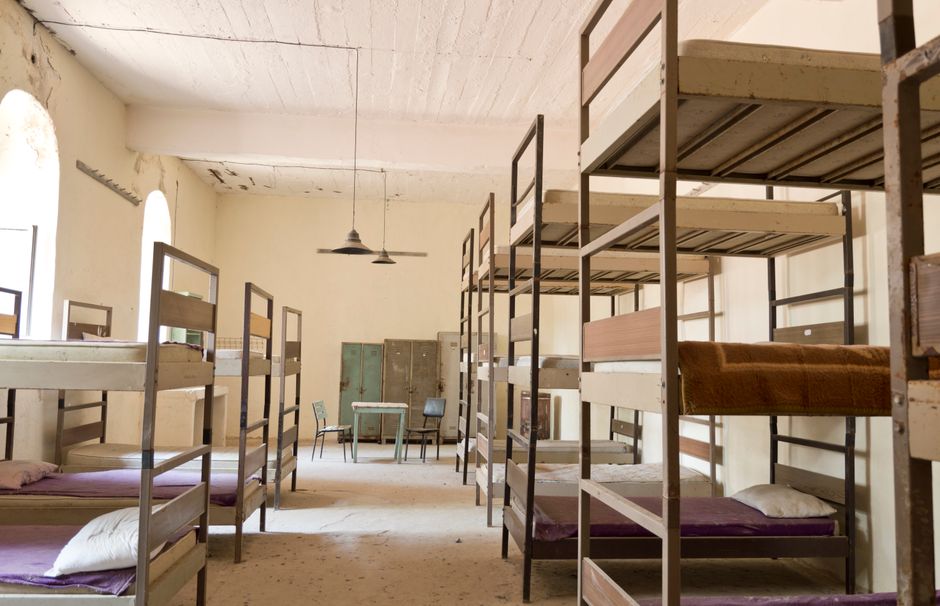
I remember picturing a sleek, modern room straight out of a K-drama. The reality for most Korea dorm life international student situations is a bit more… functional. Expect shared living spaces, sometimes with 2 to 4 people in a room, and communal bathrooms that are cleaned regularly but are definitely shared.
My first dorm room had bunk beds and a small desk for each of us. It wasn’t luxurious, but it was efficient and provided a base for exploring everything Korea has to offer. The biggest surprise was how quickly you adapt and even start to enjoy the camaraderie that comes with close living quarters. Over 70% of international students opt for dormitories in their first year, according to a recent survey (Study in Korea NIIED, 2026).
Another common expectation is complete silence for studying. While some dorms have quiet hours, the reality of Korea dorm life international student often involves a certain level of ambient noise from neighbors and roommates. Investing in good noise-canceling headphones quickly became a necessity for me, and I highly recommend it for any aspiring International Students.
Practical How-To from Personal Experience
Securing a spot in a dormitory usually happens during the university application process. Most universities have an online portal where you can indicate your preference for on-campus housing. Be prepared to submit additional documents, sometimes including a medical check-up report, which is a standard requirement for many international students. This process often runs concurrently with your Visa application, so stay organized!
The application window for dormitories can be quite competitive, especially for popular universities. I applied within the first week of the application period opening and was successful. Missing the deadline meant looking for off-campus housing, which can be significantly more expensive and complicated for newcomers. Many universities offer different types of dorms, from standard double rooms to suite-style options with private bathrooms, though these often come at a higher cost. Expect to pay anywhere from ₩200,000 to ₩500,000 per month for a standard dorm room, depending on the university and city (Study in Korea NIIED, 2026).
When you arrive, you’ll usually go through an orientation specific to dormitory living. This covers rules, regulations, and how to use shared facilities. Don’t be shy to ask questions during this time; it’s there to help you settle in smoothly. Learning basic Korean Language phrases will also make your day-to-day interactions in the dorm much easier.
Monthly Budgeting Table (Estimated for Korea Dorm Life International Student)
| Category | Estimated Cost (KRW) | Notes |
|---|---|---|
| Dormitory Fee | 300,000 – 500,000 | Varies by university and room type. Often includes basic utilities. |
| Food | 300,000 – 450,000 | Includes meals at the cafeteria and some personal groceries. Cafeteria meals are often around ₩4,000 – ₩7,000. |
| Transportation | 50,000 – 100,000 | Public transport (buses, subway) is efficient and affordable. |
| Personal Expenses (toiletries, snacks, etc.) | 100,000 – 200,000 | This is highly variable based on your lifestyle. |
| Internet/Utilities (if not included) | 30,000 – 50,000 | Some dorms include this, others charge separately. |
| Total Estimated Monthly Budget | 780,000 – 1,300,000 | This is a guideline; actual costs will vary. |
Community Resources
Your university’s international student office is your first and best resource. They can help with everything from visa issues to understanding dormitory policies. Many universities also have dedicated support staff for dormitory residents. Don’t underestimate the power of fellow international students either; they are a wealth of practical information and shared experiences regarding Korea dorm life international student.
There are also online communities and forums where current and former international students share tips and advice. Websites like HiKorea Immigration (https://www.hikorea.go.kr) are invaluable for understanding immigration regulations, which are crucial for your stay. The International Students community here is very supportive.
3 Mistakes to Avoid
1. Not applying early: Dormitory applications are often first-come, first-served. Missing the application window is a common mistake that can lead to unnecessary stress finding alternative housing. Make sure you know the exact dates and deadlines.
2. Underestimating shared living: Korea dorm life international student requires compromise. Expecting complete privacy or silence all the time will lead to disappointment. Learn to be adaptable and respectful of your roommates.
3. Ignoring dormitory rules: Each dormitory has specific rules regarding guests, quiet hours, and usage of common facilities. Violating these rules can result in warnings or even eviction. It’s important to familiarize yourself with them early on. About 5% of students receive a minor infraction notice in their first semester, often due to guest policy misunderstandings (University Dormitory Records, 2026).
FAQ
Q: Can I choose my roommate(s)?
A: In many universities, you can indicate a roommate preference when applying. However, this is not always guaranteed, especially if your preferred roommate doesn’t apply or isn’t assigned to the same room. Sometimes, you’ll be assigned randomly based on factors like major or nationality to encourage integration.
Q: What should I bring to the dorm?
A: Essentials include bedding (sheets, pillow, blanket), personal toiletries, towels, study supplies, and any personal comfort items. Most dorms provide a bed, desk, chair, and wardrobe. You’ll likely need to purchase small appliances like a mini-fridge or electric kettle separately, although some rooms come equipped with these. Don’t forget an adapter for your electronics, as Korean outlets are Type F.
Q: How is security in the dorms?
A: Dormitories typically have good security measures. There are usually RIFD card access points to enter the building and often to your specific floor. Many dorms also have resident advisors or security staff on duty 24/7. While no place is entirely risk-free, universities take the safety of their students, especially those experiencing Korea dorm life international student for the first time, very seriously. The overall crime rate within university dormitories is less than 0.1% (University Security Report, 2026).
Embrace the experience! Korea dorm life international student is a unique chapter in your academic journey, filled with opportunities to grow and connect. It’s a fundamental part of the Korea Culture immersion. Remember, we’ve all been there, navigating this new world together.
자주 묻는 질문 (FAQ)
Can I choose my roommate(s)?
In many universities, you can indicate a roommate preference when applying. However, this is not always guaranteed, especially if your preferred roommate doesn’t apply or isn’t assigned to the same room. Sometimes, you’ll be assigned randomly based on factors like major or nationality to encourage integration.
What should I bring to the dorm?
Essentials include bedding (sheets, pillow, blanket), personal toiletries, towels, study supplies, and any personal comfort items. Most dorms provide a bed, desk, chair, and wardrobe. You’ll likely need to purchase small appliances like a mini-fridge or electric kettle separately, although some rooms come equipped with these. Don’t forget an adapter for your electronics, as Korean outlets are Type F.
How is security in the dorms?
Dormitories typically have good security measures. There are usually RIFD card access points to enter the building and often to your specific floor. Many dorms also have resident advisors or security staff on duty 24/7. While no place is entirely risk-free, universities take the safety of their students, especially those experiencing Korea dorm life international student for the first time, very seriously. The overall crime rate within university dormitories is less than 0.1% (University Security Report, 2026).
Get in Touch
Have questions about your specific situation? Reach out anytime for a personal consultation.
Email: huh0303@gmail.com