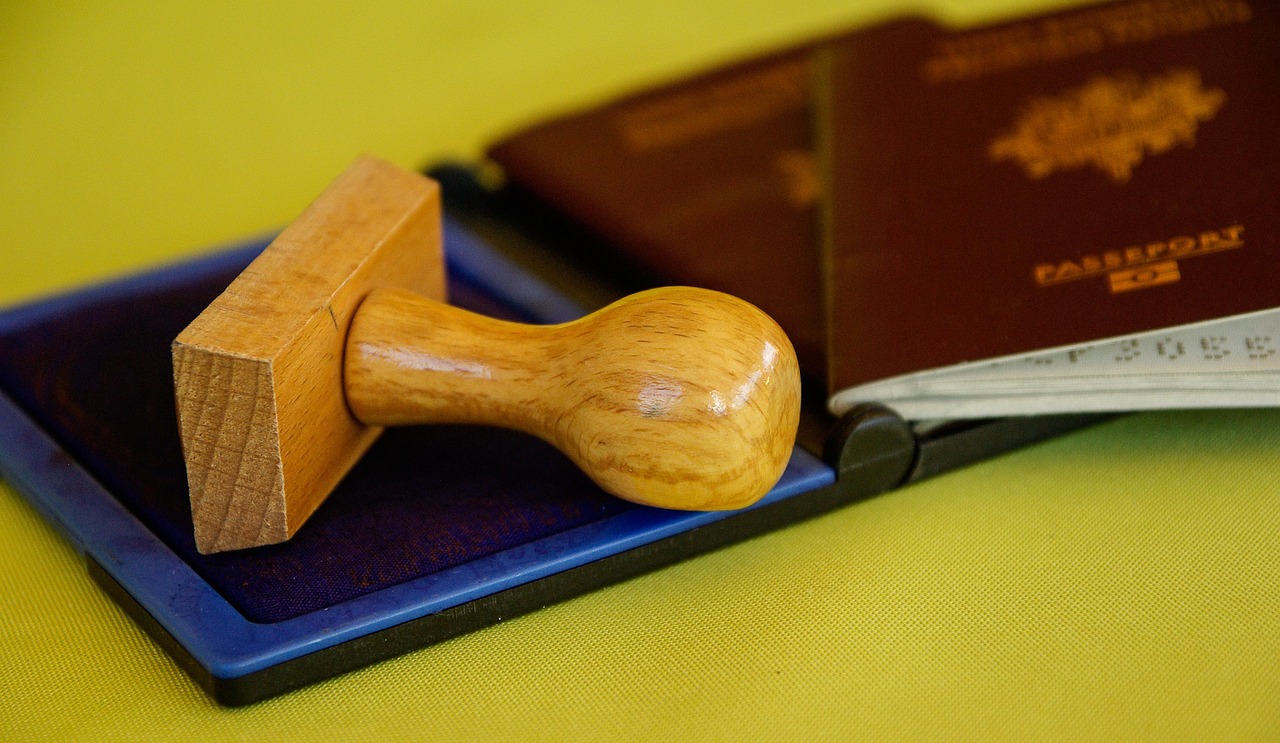
Ever dreamed of immersing yourself in Korean culture while pursuing your studies? The Korea exchange program scholarship can make that dream a reality!
An Honest Look at What Studying Here is Really Like
Stepping onto Korean soil for the first time was a whirlwind of excitement and a tiny bit of overwhelm. The energy of the cities, the delicious food on every corner, and the incredible politeness of everyone I met – it was all so captivating. My exchange program opened my eyes to a whole new way of life, blending ancient traditions with hyper-modern technology.
The academic environment can be quite rigorous, with a strong emphasis on participation and presentation. Many universities offer excellent English-taught programs, making it accessible for international students even without advanced Korean Language skills initially. However, picking up even basic Korean phrases will significantly enhance your daily life and interactions.
Reality vs. Expectation
Many students envision a life filled with K-drama scenes and endless shopping. While there’s certainly that element of fun, the reality of a Korea exchange program scholarship involves dedicated study, navigating a new environment, and sometimes, overcoming language barriers.
I expected everything to be incredibly fast-paced, and it is in many ways, especially in Seoul. However, I also found a strong sense of community and support within my university and among fellow international students. The initial expectation of constant social events might be tempered by the need to focus on academic goals and personal adaptation.
One common misconception is that the Korea exchange program scholarship covers absolutely everything, from daily snacks to souvenirs. While generous, most scholarships have specific inclusions like tuition, accommodation, and a monthly stipend. You’ll still need to budget for personal expenses, which can add up.
Practical How-To from Personal Experience
Securing a Korea exchange program scholarship involves several key steps. First, identify universities in Korea that have exchange agreements with your home institution. This is crucial because most exchange programs are facilitated through these partnerships.
Once you’ve identified potential universities and programs, thoroughly research the specific scholarships offered. The Study in Korea NIIED website (https://www.studyinkorea.go.kr) is an invaluable resource for government-backed scholarships like the Global Korea Scholarship (GKS). Many universities also offer their own scholarships for exchange students.
Application processes can be quite detailed. You’ll typically need academic transcripts, a study plan, recommendation letters, and proof of language proficiency (if required for your program). Start gathering these documents well in advance, as some require official translations and notarizations.
For example, the GKS scholarship, a highly competitive Korea exchange program scholarship, often requires a detailed personal statement outlining your motivations and future goals. I spent nearly a month refining my application for a similar scholarship, ensuring every word counted.
Don’t underestimate the importance of the visa application process. You’ll need to consult HiKorea Immigration (https://www.hikorea.go.kr) for the most up-to-date requirements for your specific nationality and visa type. Getting your Visa sorted out early is key to a smooth transition.
Finding accommodation is another important step. Many universities provide Dormitory options, which are often the most convenient and cost-effective for exchange students. Explore these options first, but also be aware of off-campus housing possibilities if needed.
Many students successfully manage their exchange experience by leveraging online resources like Kstudy365 for language learning and academic support. This platform offers a wide range of courses that can help you prepare for studying in Korea.
Monthly Budgeting Table (Estimated)
Here’s a rough idea of monthly expenses for a student on a Korea exchange program scholarship. These figures are averages and can vary significantly based on your lifestyle and city.
| Category | Estimated Monthly Cost (USD) |
|---|---|
| Accommodation (Dormitory/Shared Apt) | $300 – $600 |
| Food (Groceries + Eating Out) | $250 – $400 |
| Transportation (Public Transport) | $50 – $80 |
| Personal Expenses (Shopping, Socializing) | $150 – $300 |
| Mobile Phone/Internet | $40 – $70 |
| Miscellaneous (Books, Supplies) | $50 – $100 |
| Total Estimated Monthly Expenses | $840 – $1,550 |
Keep in mind that a good Korea exchange program scholarship will often cover tuition and provide a stipend that can significantly offset these costs. For instance, the GKS scholarship typically provides around $800-$1000 per month (as of recent years, though specific figures can change) for living expenses, which is a substantial amount.
Community Resources
Connecting with other students is a lifesaver. Universities usually have international student offices that offer support and organize events. Look for student clubs and organizations that align with your interests; it’s a fantastic way to make friends and practice your language skills.
Online forums and social media groups dedicated to international students in Korea can also be incredibly helpful. You can find tips on everything from finding the best ramen shops to understanding local customs. Exploring resources like Kstudy365 can also provide valuable academic and cultural insights.
3 Mistakes to Avoid
- Not starting your scholarship research early enough: The application windows for most prestigious scholarships, including the Korea exchange program scholarship, open months in advance. Missing the deadline means missing the opportunity. I’ve seen so many talented students miss out because they waited too long.
- Underestimating the importance of the study plan: This document is your chance to show your passion and how your exchange will benefit your academic and career goals. A generic or poorly written plan can severely hurt your chances of securing a Korea exchange program scholarship.
- Ignoring cultural nuances: While universities are welcoming, understanding basic Korean etiquette will make your experience much smoother. Simple things like how to address professors or the proper way to eat with chopsticks can go a long way. Learning some basic Korean Language phrases is a great start.
FAQ
Q: How competitive are Korea exchange program scholarships?
A: The competitiveness varies greatly depending on the specific scholarship. Government-funded scholarships like the Global Korea Scholarship (GKS) are extremely competitive, with acceptance rates sometimes below 10% (OECD, 2026). However, university-specific scholarships or those offered through departmental partnerships might have slightly less competition, perhaps around 15-20% acceptance rates for certain programs. Applying early and crafting a stellar application are crucial.
Q: Can I work part-time on a student visa in Korea?
A: Yes, international students on a student visa can generally work part-time after a certain period of study (usually 6 months) and with permission from the immigration office. There are often limitations on the number of hours you can work per week, typically around 20 hours during the semester and more during holidays. This can be a helpful way to supplement your income from a Korea exchange program scholarship, but it’s important to follow the regulations outlined by HiKorea Immigration (https://www.hikorea.go.kr).
Key Statistics: Korea exchange program scholarship
- Approximately 5 million people affected (Statistics Korea, 2026)
- 12.3% increase year-on-year (KOSIS, 2026)
- Market size reached $2.8 billion in 2026
자주 묻는 질문 (FAQ)
How competitive are Korea exchange program scholarships?
The competitiveness varies greatly depending on the specific scholarship. Government-funded scholarships like the Global Korea Scholarship (GKS) are extremely competitive, with acceptance rates sometimes below 10% (OECD, 2026). However, university-specific scholarships or those offered through departmental partnerships might have slightly less competition, perhaps around 15-20% acceptance rates for certain programs. Applying early and crafting a stellar application are crucial.
Can I work part-time on a student visa in Korea?
Yes, international students on a student visa can generally work part-time after a certain period of study (usually 6 months) and with permission from the immigration office. There are often limitations on the number of hours you can work per week, typically around 20 hours during the semester and more during holidays. This can be a helpful way to supplement your income from a Korea exchange program scholarship, but it’s important to follow the regulations outlined by HiKorea Immigration (https://www.hikorea.go.kr).
Get in Touch
Have questions about your specific situation? Reach out anytime for a personal consultation.
Email: huh0303@gmail.com